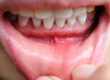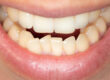
MOST PEOPLE ONLY think about the dentist when something already hurts. But by the time pain shows up, a small problem has often become a bigger one. Staying ahead of dental issues means knowing what to look for, and taking those warning signs seriously before they turn into something that requires more time, more treatment, and more expense. Here are the signs you should never brush off.
Tooth Pain or Sensitivity
Any pain in your teeth deserves attention. Whether it’s a sharp jolt when you bite down, a lingering ache, or sensitivity to hot and cold that doesn’t fade quickly, these are your mouth’s way of telling you something is wrong. Pain can signal a cavity, a cracked tooth, an exposed root, or an infection that has reached the inner pulp of the tooth. A dentist or endodontist can pinpoint the source and recommend the right course of action before the problem spreads.
Bleeding or Swollen Gums
Gums that bleed when you brush or floss are not normal, even though many people assume they are. Bleeding gums are one of the earliest signs of gum disease, a condition that is highly treatable in its early stages but can lead to tooth loss if ignored. Swelling, redness, or gums that are pulling away from your teeth are additional red flags. These symptoms point to an infection in the gum tissue that needs professional care.
Loose Teeth or Shifting Bite
Adult teeth should not move. If a tooth feels loose, or if you notice that your teeth no longer fit together the way they used to, that is worth a prompt evaluation. A shifting bite can indicate bone loss from advanced gum disease or underlying jaw issues. For patients already in orthodontic treatment, changes in bite alignment may signal that adjustments are needed.
Jaw Pain, Clicking, or Difficulty Chewing
Persistent jaw pain, popping or clicking sounds when you open your mouth, and difficulty chewing or speaking comfortably can point to problems with your temporomandibular joint. These symptoms are not just uncomfortable, they can worsen over time without proper diagnosis and treatment.
Mouth Sores That Won’t Heal
A canker sore that clears up in a week or two is usually nothing to worry about. But a sore, patch, or lesion that lingers for more than two weeks should be examined by a dental professional. Oral cancer is highly treatable when caught early, and a dentist is often the first to spot early warning signs during a routine exam.
It’s Been More Than Six Months
Even if nothing feels wrong, time itself is a reason to schedule an appointment. Regular checkups allow your dental team to catch problems while they are small, clean areas your toothbrush can’t fully reach, and monitor the development and alignment of teeth in children and teens. Your mouth gives you signals. The sooner you respond to them, the better your outcome is likely to be. If any of these signs sound familiar, don’t wait.