AS ORTHODONTISTS, ONE of the most common questions we hear is “why are my teeth crooked?” or “why didn’t my child’s teeth come in straight?” The answer is usually a combination of genetics, jaw development, and habits, and understanding these causes is often the first step toward the right treatment plan.
Genetics and Jaw Development
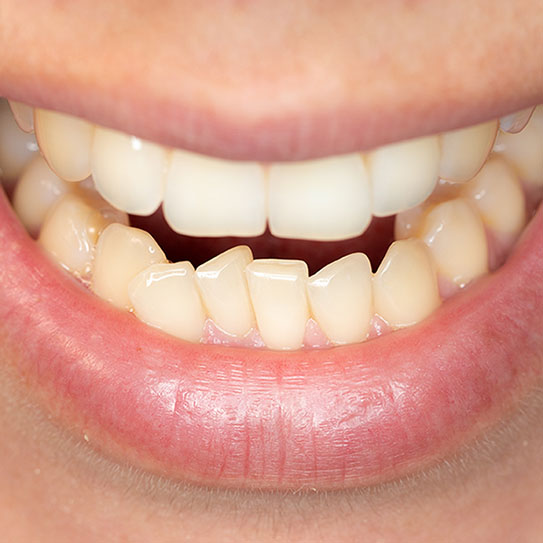
Tooth alignment is largely inherited. Jaw size, tooth size, and the relationship between your upper and lower jaw are all traits passed down from your parents. When the jaw is too small to accommodate all the teeth, crowding results. When there’s excess space, gaps form. Inherited jaw discrepancies are also behind most overbites, underbites, and crossbites, which is exactly the kind of skeletal issue orthodontic treatment is designed to correct, sometimes with appliances that guide jaw growth rather than just moving teeth.
Childhood Oral Habits
Thumb sucking, prolonged pacifier use, and tongue thrusting all place steady pressure on erupting teeth and the developing jaw. We often catch these habits during early orthodontic evaluations, which is part of why the American Association of Orthodontists recommends a first visit by age seven. Intercepting a habit early can sometimes prevent the need for more extensive treatment later.
Early Loss of Baby Teeth
When a baby tooth is lost too soon, neighboring teeth can drift into the open space, leaving insufficient room for the permanent tooth. This is one of the most common reasons we recommend space maintainers for younger patients. Addressing it early can prevent crowding that would otherwise require braces or clear aligners down the road.
Mouth Breathing and Airway Issues
Chronic mouth breathing, often tied to allergies or enlarged tonsils and adenoids, changes the resting posture of the tongue and lips. Since the tongue plays a major role in shaping the dental arch, this can contribute to narrow palates and crowded teeth. In these cases, we sometimes coordinate with an ENT or work with expanders to widen the arch as part of treatment.
Trauma and Injury
A sports injury or accidental blow to the mouth can shift teeth or affect jaw alignment. This is one reason we recommend custom mouthguards for patients in contact sports, especially those currently in braces or aligners.
Natural Shifting Over Time
Teeth drift forward gradually throughout life, which is why even people with a straight smile as teenagers may notice crowding in their thirties or forties. This is also why we stress the importance of wearing retainers long after active treatment ends. Relapse after orthodontic treatment is common when retainers are skipped.
Treatment Options
The good news is that regardless of the cause, most alignment issues can be corrected. Depending on your specific case, that might mean traditional braces, clear aligners like Invisalign, palatal expanders, or a combination of approaches. During a consultation, we evaluate not just the position of your teeth but the underlying jaw and bite relationship to design a plan suited to your needs. If you’ve noticed crowding, gaps, or bite issues, schedule a consultation with our office.